
← Home About Archive Photos Replies Also on Micro.blog
  • From stepping off the plane at #AMS, through passport control, onto a train to #Leiden, bike from the train station to home - 43 minutes total. At #LGW the same amount of time left me waiting for a delayed train at the airport railway station….. good #infrastructure really makes a difference.

    β†’ 10:51 AM, Aug 25
  • “Honestly Jens they’re more persistent than those rats in the kitchen… tomorrow morning you promise me you’ll put down more of that powder around the bedposts.” Seen at #MuseumBredius in #DenHaag

    On oil painting of a 17th century woman sitting in a chair with an exasperated expression on her upturned face, looking up above her four poster bed where ten cheerful/psychotic looking cherubs are laughing and gamboling around the rafters. Her husband is to one side, looking up aghast.
    β†’ 3:44 PM, Aug 20
  • 🎢 “….and after aaaaaaall, you’re my wonderwaaaaall….” 🎢 Seen at #MuseumBredius in #DenHaag

    A 17th century oil painting with a gray haired man sitting down playing a guitar, with a woman standing over his right shoulder holding what appears to be an alcoholic drink, giving him a long suffering look. He is, without doubt, playing Oasis songs.
    β†’ 3:37 PM, Aug 20
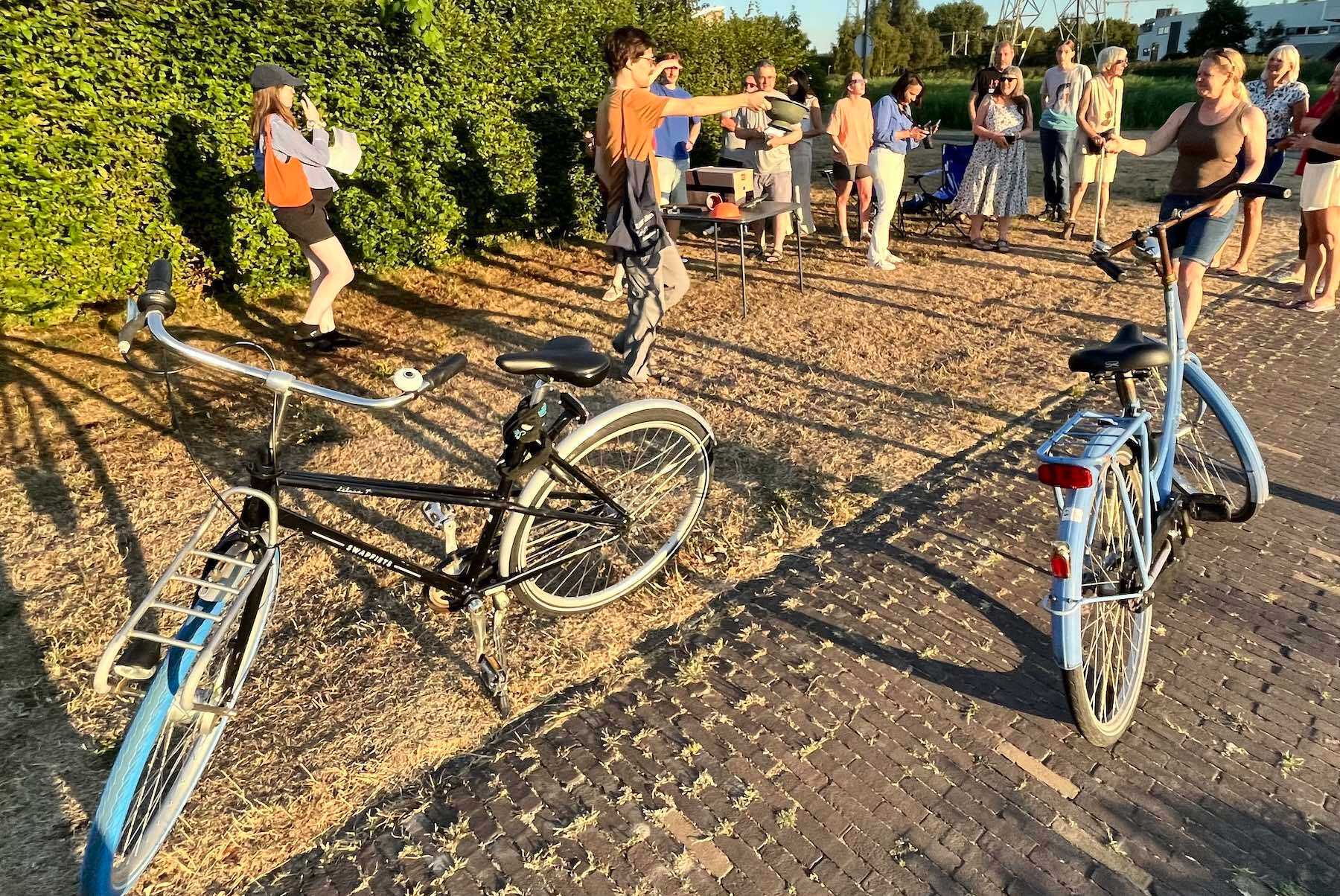
  • Wow, the sun projection box was far more successful than I would have guessed… two dozen people in our Dutch neighbourhood came by and took a look at the sun, and someone brought solar glasses too - echt gezellig! #astrodon #astronomy #SolarEclipse

    A crescent Sun projected onto a white piece of paper sitting inside a cardboard box, projected by a binocular eyepiece. It is on a card table with brown scorched grass below and against a green bush.&10;About a dozen people are standing in the setting sun and talking. They are standing around the card table with the solar projector sitting on a card table. One person is wearing solar glasses and is looking at the setting sun, around the time of maximum eclipse. There are two large bikes propped up on their kick stands in the foreground.

    β†’ 9:09 AM, Aug 13
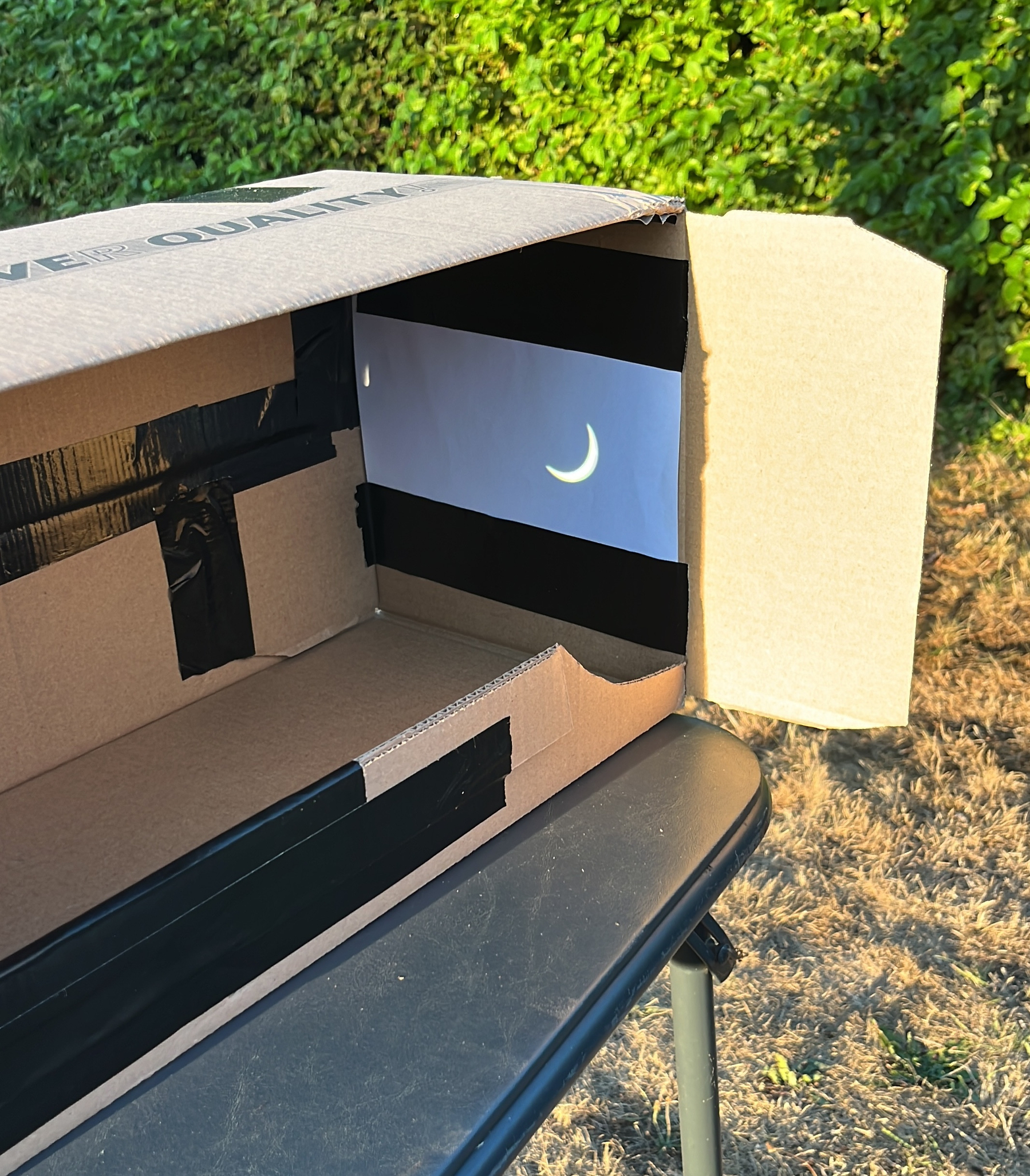
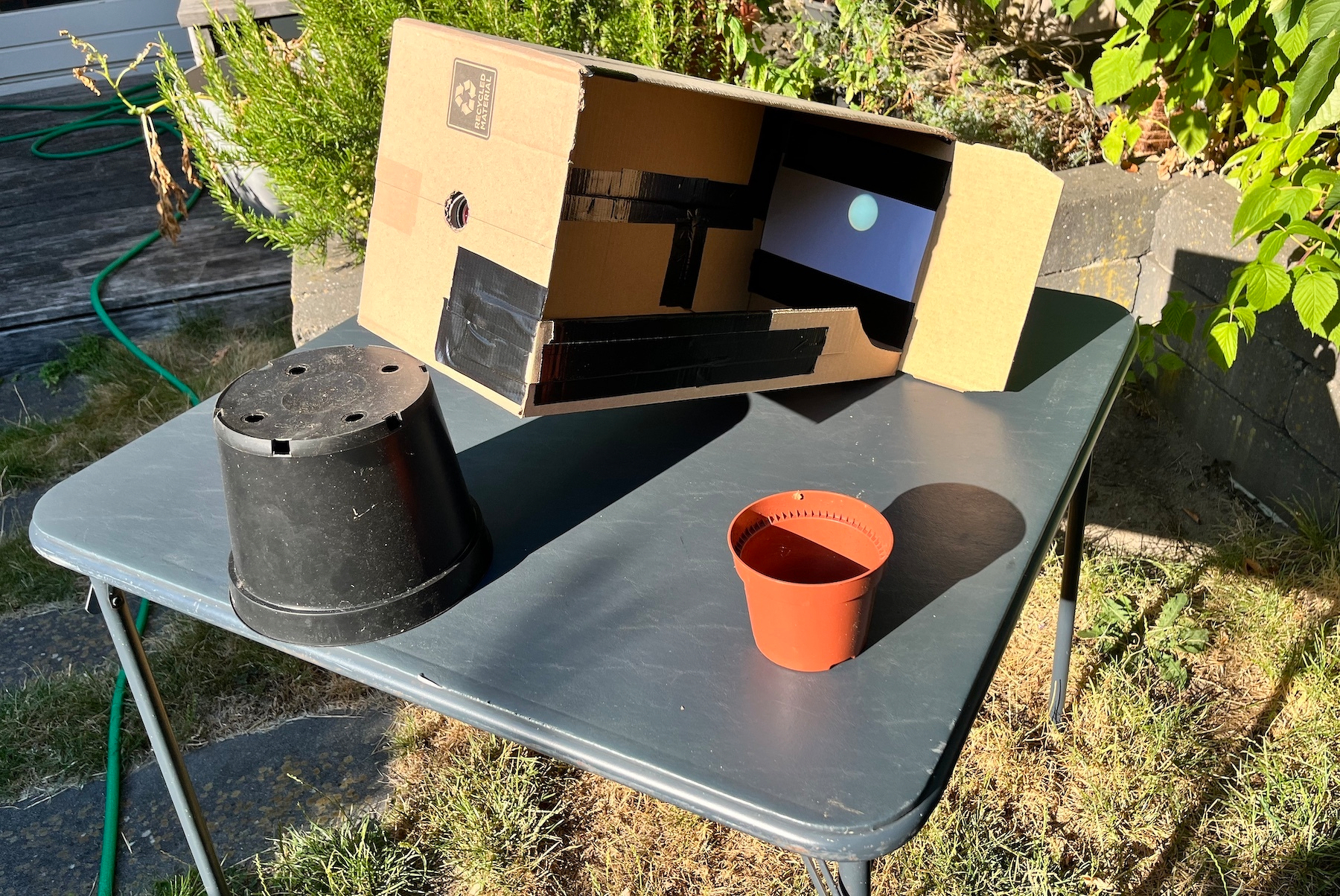
  • Ready for the eclipse with an old cardboard box, a pair of cheap binoculars, and loads of duct tape. Harking back to my astroinstrumentation roots! #astrodon

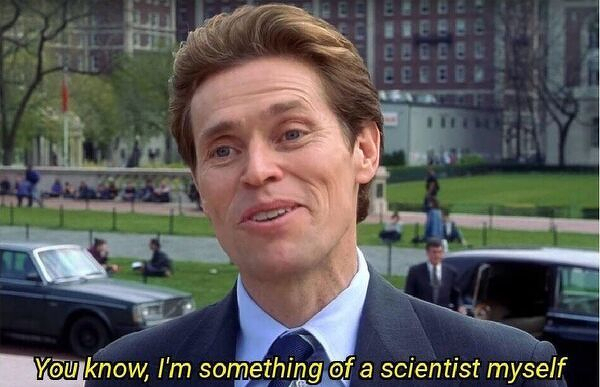
    WIlem Dafoe in Spiderman saying "You know, I'm something of a scientist myself"A cardboard box covered in duct tape, propped up by an upturned black plant pot, sitting on a cheap blue card table, itself standing in a garden with a brick wall and bushes behind it. The side of the cardboard box is missing and an image of the Sun can be seen projected on a sheet of white paper duct taped onto the inside back of the cardboard box.

    β†’ 6:14 PM, Aug 12
  • “[Gerald speaking indistinctly]” is possibly my most favorite subtitle now. I can’t believe they’re still running with that after five seasons.

    β†’ 9:20 AM, Jul 25
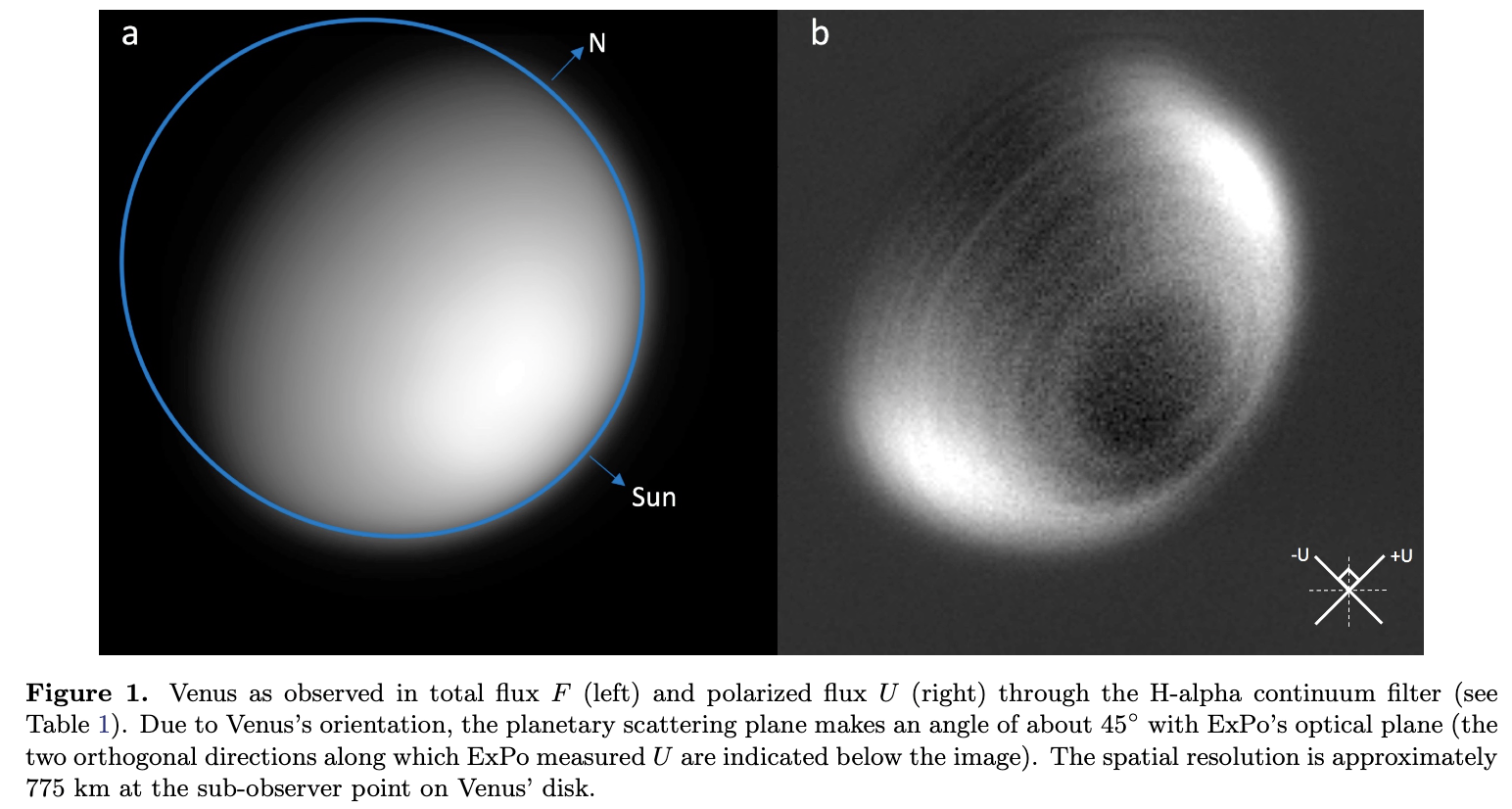
  • You always discover something when you have a new instrument with higher sensitivity - Mahapatra+ on Planet-wide, Concentric Density Waves in Venus’s Upper Atmosphere Revealed through Polarimetry? in which you can see a bullseye on the day-lit side of our sister planet! #exoplanets #astrodon

    Two images of Venus, illuminated by the Sun from the lower right. The first image shows a smooth illuminated planet, similar to early ray tracing computer graphics simulations, the right hand image is an image of the degree of polarization and it shows the upper right and lower left are bright, and super imposed on this are a series of faint rings, alternating bright and dark, starting from the point on the planet pointing towards the Sun, and moving out in about eight concentric rings out to the terminator.
    β†’ 9:16 AM, Jul 21
  • I’m grateful that I study #exoplanets for a living, but on the odd occasion I need a bit of motivation to write I go and watch Chris Abbas' video made from the raw unfiltered Cassini images at Saturn. Paired with the music of Nine Inch Nails, it’s a hypnotic two minutes. Cassini Mission #astrodon

    β†’ 12:17 PM, Jul 17
  • Old man yells at the state of email addresses

    It is the Year of our Lord 2026, and today I am assembling an email list by cutting and pasting into a spreadsheet before cutting and pasting that into Apple Mail.

    Why am I doing such a straightforward task in such a roundabout way? Gosh, I’m glad you asked.

    So, I imported my email contacts n years ago into OSX Contacts, and it behaves reasonably well. But, all the emails I need are not all in my Contact list, and people don’t always update their publicly accessible details, so I’m having to go on a Web Page Hunt for emails. Sounds easy? No.

    Many years ago, people put their email addresses on web pages, personal or departmental. But then came along SPAM email lists, built from bots scraping valid email addresses across the web. In an ever escalating war, email addresses were scrambled and obfuscated with different methods, some using clever highlight and paste tricks tied to the web browser. If I try to paste directly into Apple Mail, I sometimes get scrambled garbage.

    So, I now post that into a blank cell in a spreadsheet and that action mostly strips away some of the tricks to reveal a valid email. I say ‘valid’ and not ‘correct’ because people move jobs and they don’t update/delete old emails. In some cases, I later find out that the email is several years out of date and it bounces several minutes/hours/days later, or maybe silently disappears. Who knows? No forwarding address, so I guess I stop there.

    But never mind! I keep my ascii list as deposited in the spreadsheet. But when I drag and drop emails from my Contacts/Mail into the Excel spreadsheet, sometimes the dotted box indicating the current highlighted cell is offset vertically by half a cell - so I have to guess if I will get the email address in the same row as the full name of the contact. Why is it doing this? Who knows! It’s all a journey of discovery and excitement here on my computer. Also: I’m discovering all sorts of unexpected behaviour, for example:

    There’s a standard for email addresses - usually they format as:

    Full Name <email@university.blah.edu>

    … and this works as it should with drag and drop. But if you have a comma such that it says:

    Name, Full <email@university.blah.edu>

    … then Apple Mail treats Name as a separate email address!

    The final Chef’s kiss is that after I assembled the list in Apple Mail, I pressed some key combo and all 50-ish emails disappeared from the “To:” line. And apple-Z didn’t bring them back. So I had to type them in manually all again, but this time I first put them in a spreadsheet, checked their validity, highlighted them and pasted back into Apple Mail.

    I know I’m shouting at the sea, but there’s a reason why I get panic attacks composing bulk emails - the process is far more challenging than it should be. And I know, I know… I should be grateful that ANY of this works at all, truly it is amazing, but every so often it turns and kicks my arse, hard.

    I am then reminded why I am so happy keeping as much of my workflow in flat text ascii files and use org-mode for managing my professional life. It is shiny? No. Is is perfect? Also, no. But at least when all else fails, the text doesn’t change in front of my eyes and I can grep away.
    β†’ 1:36 PM, Jul 16
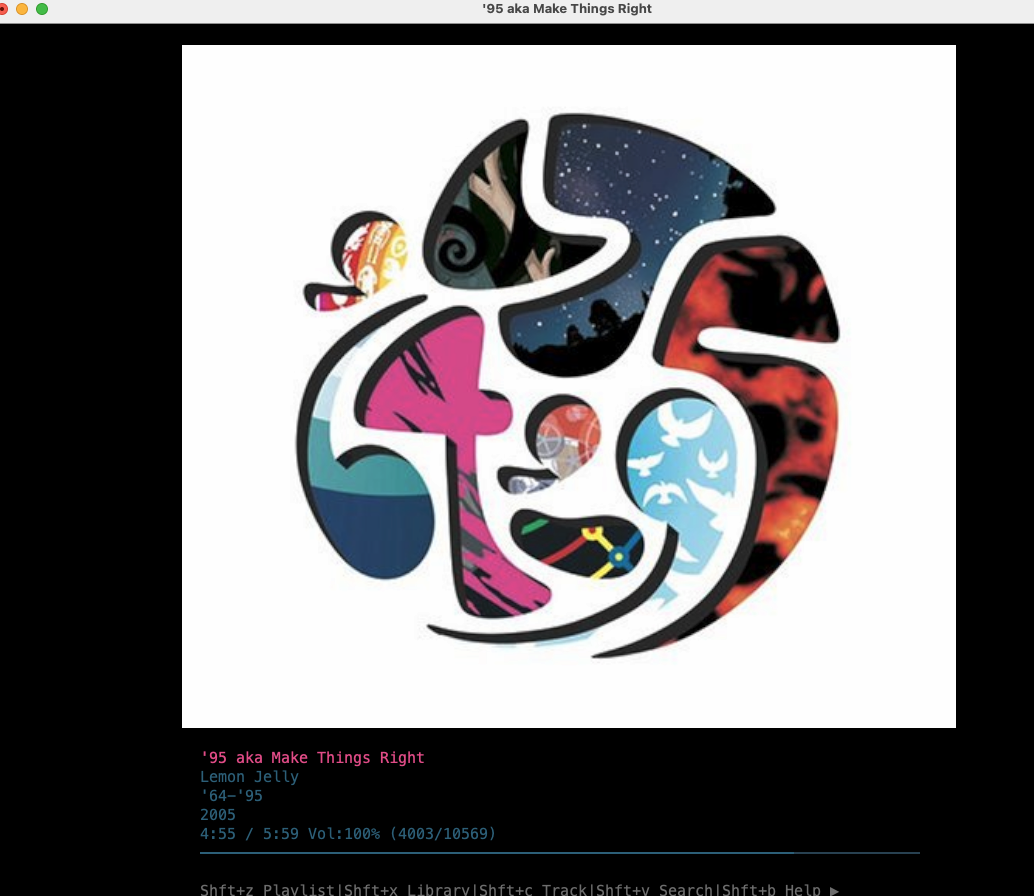
  • I’ve used linux/unix systems for O(30 years) but occasionally something appears and makes me go “wait, what, when did that happen?” case in point: you can have graphics in terminal windows now. I just discovered the kew music player with album covers displayed - very pretty! #TUInotGUI

    A mac osx terminal window with the image of the Lemon Jelly album "64-95" in the upper middle part of the window, with coloured text labels underneath it.
    β†’ 10:13 AM, Jul 16
  • There’s a phrase in task management (I’m a Getting Things Done with org-mode kind of a person) called “Eat the frog” which is to do the most unpleasant task first thing in the day so it’s out of the way and you don’t procrastinate. Today I have a large frog and ho boy I am NOT keen. #GTD #org-mode

    β†’ 10:06 AM, Jul 16
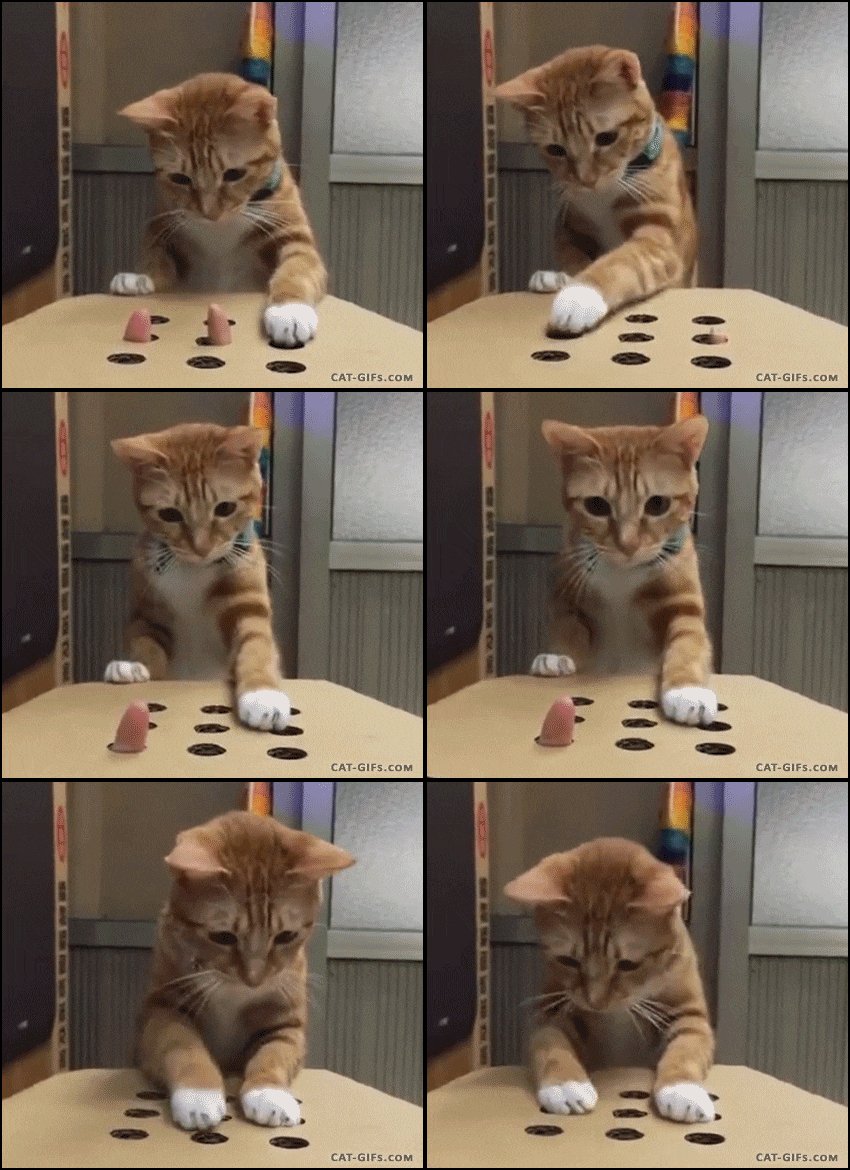
  • At that point with two(!) papers where I’m trying to nail down the last few typos and numbers required from collaborators before we all evaporate for the holidays #AcademicChatter #WhackAnAcademic

    Small ginger kitten trying to play whack a mole with nine holes out of which a human fingers appear and then disappear.
    β†’ 10:48 AM, Jul 7
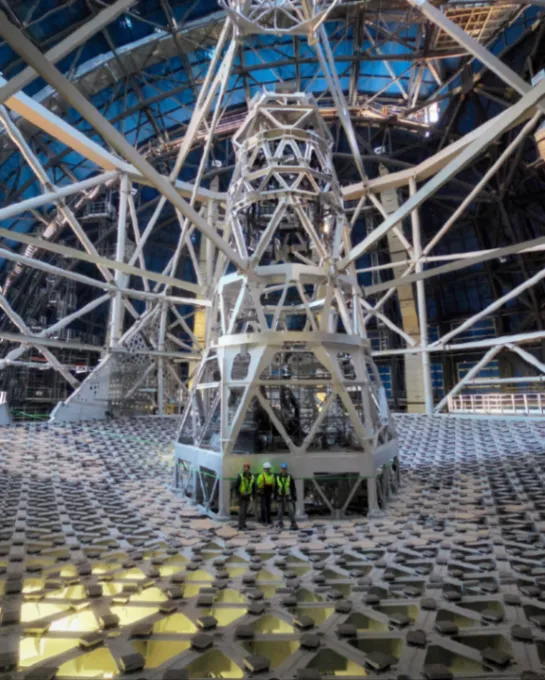
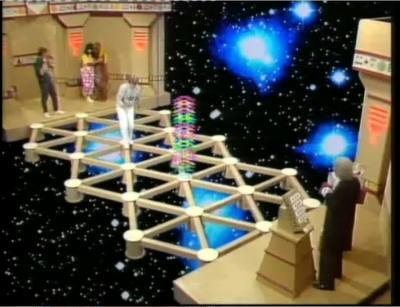
  • “After completing the @ESO #ELT, the Earthlings would have to cross the mirror superstructure whilst avoiding the Vortex - if they were caught, they would have to walk all the way home.” #TheAdventureGame #astrodon #exoplanets

    Three astronomers standing in the middle of a giant triangular array of mirror support pads which will hold the Extremely Large Telescope's primary mirror surface. The array is backlit to show the support girders.An image of the Vortex game as seen in the 1980's British childrens show "The Adventure Game" where the three Earthlings would have to cross a triangular array of jump pads and avoid the invisible (to them) Vortex and try to get home to Earth. The structure looks identical to the ELT support mirror structure.

    β†’ 9:35 AM, Jul 6
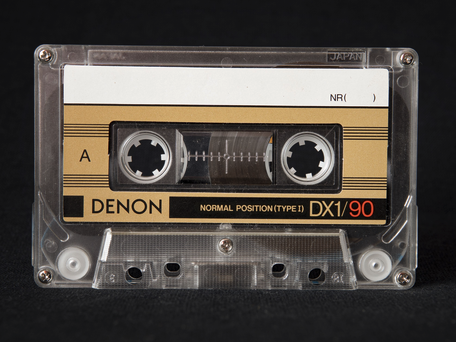
  • I never leave the music player on my computer in ‘pause’ mode because the mechanical tension applied to the tape in your audio cassette tape player could stretch or snap(!) your favourite album. I believe it gives the audio file on the computer time to rest, too. Old habits die hard. #audio

    An audio cassette. A rectangular semitransparent case with two toothed wheels with black audio tape wound around each of them. On the tape is the trapped soul of many small screaming demons that shout into a small microphone as the tape is passed from one reel to another.
    β†’ 2:43 PM, Jul 1
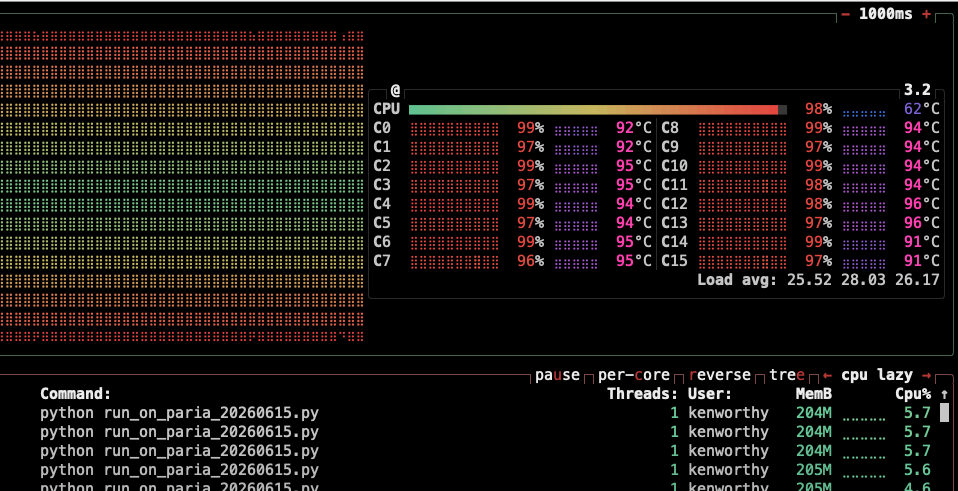
  • Finally worked out how to switch on multiprocessing in emcee for my Mac, and now it’s sounding like an airplane about to take off… Now to work out how to write COMPRESSED h5 files since emcee doesn’t seem to respect the ‘compressed’ option… #astrodon #exoplanets πŸ”­πŸ§ͺβ˜„οΈ

    A rainbow coloured btop showing all 16 CPUs on my mac going like the clappers
    β†’ 8:40 AM, Jun 17
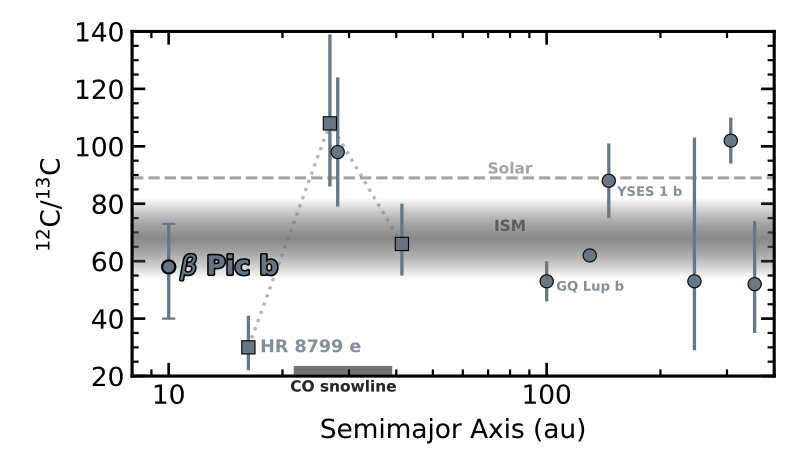
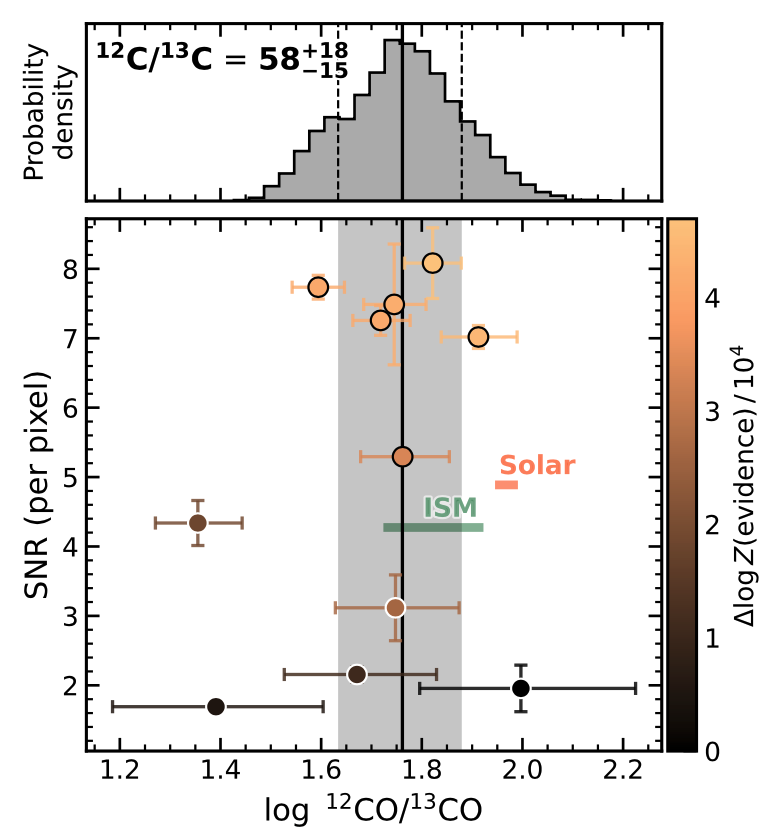
  • GonzΓ‘lez Picos+ on “The carbon isotope ratio of Ξ² Pic b with high-resolution spectroscopy” showing values consistent with the ISM and below Solar levels. Comparison with different exoplanets shows no significant trend with orbital distance or mass of the exoplanet. #astrodon #exoplanets πŸ”­

    Carbon isotopologue ratios for several exoplanets shown as a function of separation from their parent star. Most seem to be close to ISM levels, which are sub-Solar values.Carbon isotopologue ratios for individual nights of Beta Pictoris b. There is very marginal evidence for variability between different nights, suggesting changes in cloud cover.

    β†’ 8:14 AM, Jun 11
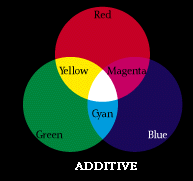
  • I only just realised that the original ANSI 8 colors (0=black, 1=red, 2=green, 3=yellow, 4=blue, magenta, cyan, white) are in that order because Cathode Ray Tubes had separate electron guns for the red, green, and blue phosphors… Red=001, Green=010, Blue=100…so magenta=red+blue=1+4=5! Mind. Blown.

    β†’ 9:36 PM, Jun 7
  • Overleaf users: does anyone know how to generate an output PDF where the text is highlighted according to the contributor’s name? This is on Overleaf Premium and it feels like someone, somewhere has probably done this already…. #overleaf #git #astrodon #exoplanets #academicwriting

    β†’ 4:31 PM, Jun 7
  • Exomoons in 2026 - close but no cigar (yet)

    Beta Pic b is a promising target for exomoons, because (i) its nearby and relatively bright and (ii) its orbit is almost edge on to our line of sight. If the exomoons formed in the disk surrounding the planet, chances are that the exomoon orbit is close to edge on as well, maximising the signal.

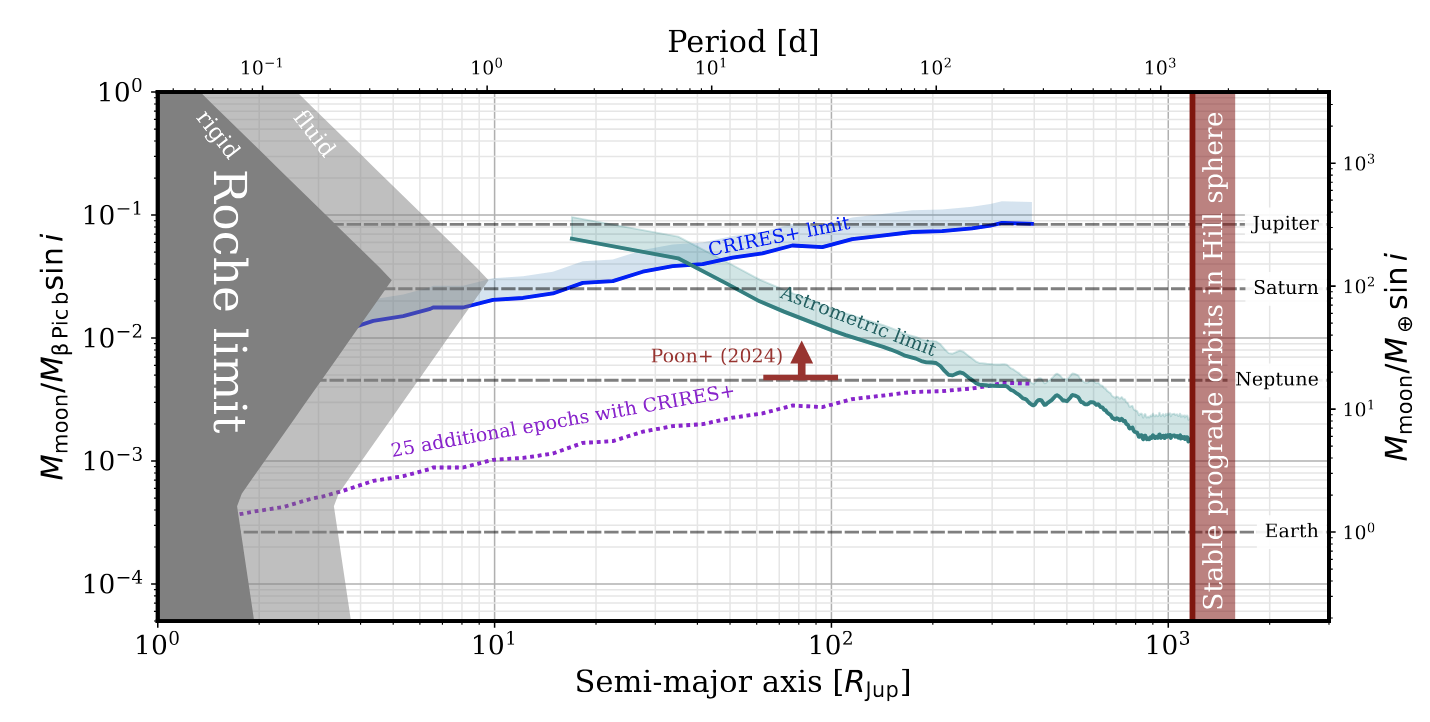
    We used the infrared spectrograph CRIRES+ on the VLT to measure the radial velocity of this self-luminous young exoplanet over several months, and were able to get to a precision of about 160 metres/second - enough to be sensitive to larger exomoons. The Hill sphere is the region of gravitational influence of a planet orbiting around its star. Radial velocity sensitivity drops with increasing distance from the planet, but another technique, astrometry, can indirectly detect an exomoon by deviations in the expected orbit of the planet.

    The astrometry on Beta Pic b was reported by Macias, Jenkins and Vanderburg who added their limits into this paper. By combining these two results, we can rule out any exomoon greater than three Saturns in mass around Beta Pic b - not too constraining in itself for moon formation theory, but it’s the first time we do this for the whole Hill sphere of an exoplanet. Another season of observations with CRIRES+ would take us down to exomoon masses of a few Earths, and test moon capture theories suggesting wide separation Neptune mass exomoons on longer orbital timescales.

    Exomoons are in a similar position to exoplanets in 1994 - we see multiple moons around all the gas giants in our Solar system so they certainly should be around exoplanets: but we still have to get that first confirmed detection - maybe in the next few years? Fingers crossed!

    I would like to say huge thank you to all my collaborators, this was a group effort in the best possible sense - I’d like to highlight Rico and Dario working on the RV measurements, and Isabella, Sydney and Andrew for kindly sharing their astrometry and the whole team for their input and patience with me :)

    β†’ 10:31 AM, Jun 5
  • I led a paper on “Upper limits on exosatellites around Beta Pictoris b” where we searched for exomoons/satellites around the closest known directly imaged exoplanet. We combined CRIRES+ radial velocity and astrometry showing nothing >150 Earth mass in the Hill sphere #astrodon #exoplanets πŸ”­ /1

    A plot showing the Hill sphere around Beta Pictoris b, and two diagonal lines representing upper limits on detections by radial valocity (sensitive at small orbital periods) and astrometry (sensitive at long orbital periods).
    β†’ 10:08 AM, Jun 5
  • Fence post coding errors in social media web pages/applications drive me quietly insane: if you click on the star below a Mastodon post, the star spins… but the star points are not moving on the same circle, because someone was lazy and didn’t make the animation rotate on the correct point. Argh.

    β†’ 10:33 AM, May 29
  • Student paper day 2: Elina Kleisioti+ on “Interior-Atmosphere Coupling on TRAPPIST-1 f, g, and h: Cryovolcanic Water Exospheres and Infrared Detectability” where tidal heating between transiting exoplanets generates H2O vapour exospheres but too thin for JWST detections #astrodon #exoplanets πŸͺπŸ”­

    model of transmission spectrum of TRAPPIST 1f with a water atmosphere.
    β†’ 10:00 AM, May 27
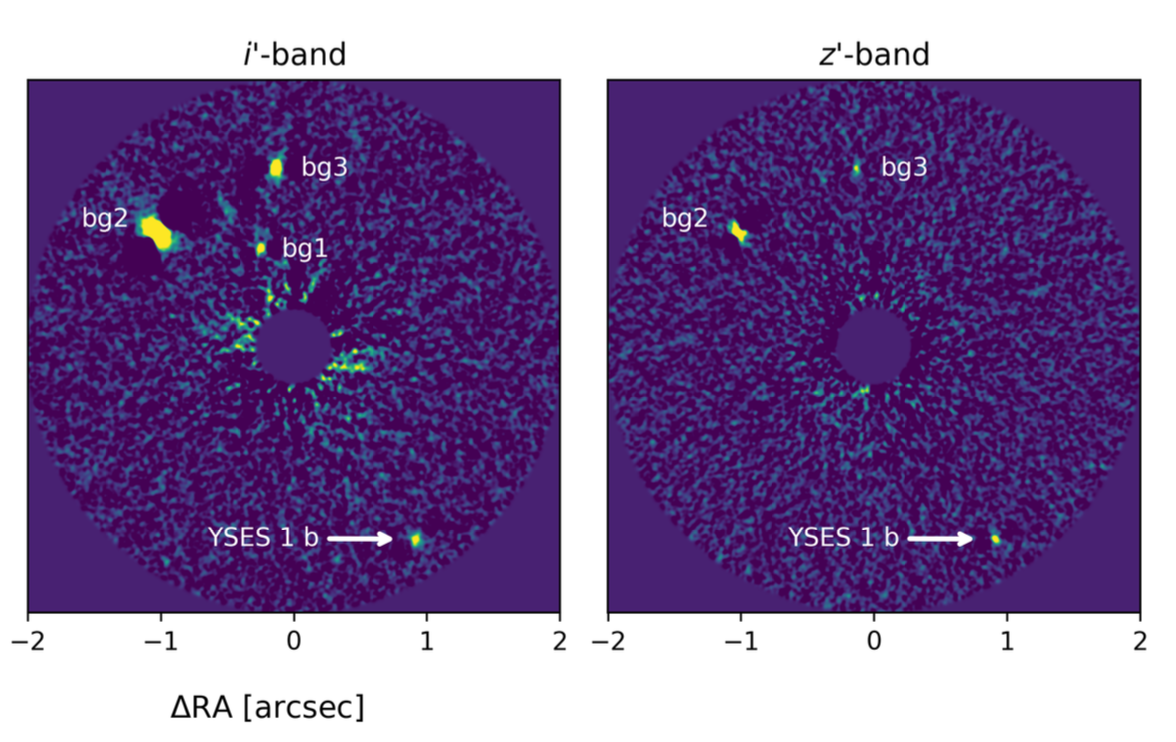
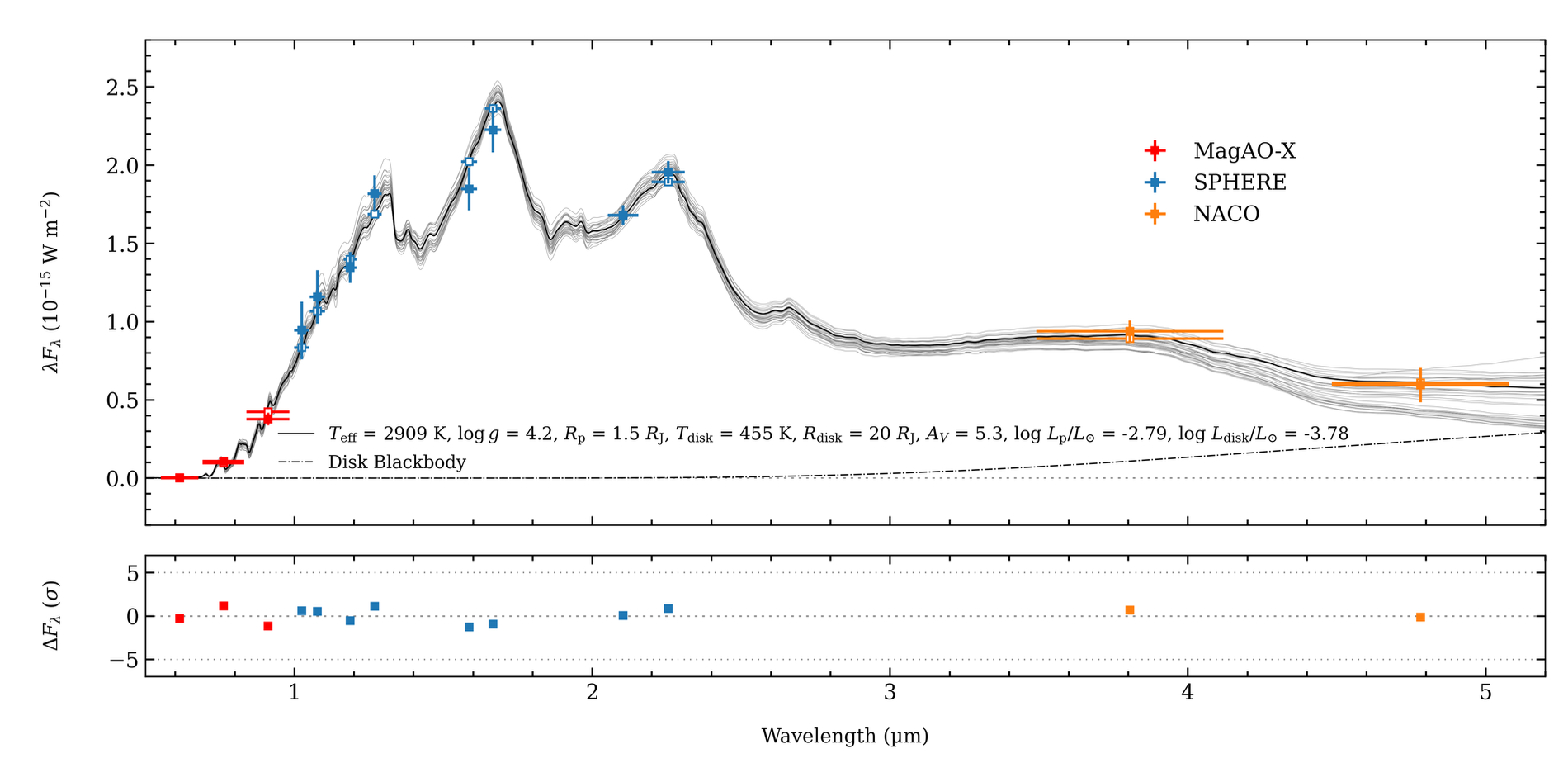
  • Student paper day part 1: Michiel Darcis+ on β€œThe spectral energy distribution of YSES 1 b and its circumplanetary disc” where it’s detected in optical wavelengths with MagAO-X: including the circumplanetary disk now revises the mass up to 26-41 Mjup depending on age #astrodon #exoplanets πŸͺπŸ”­

    images of YSES 1b in optical wavelengthsspectral model of YSES 1b with a circumstellar disk model

    β†’ 9:38 AM, May 27
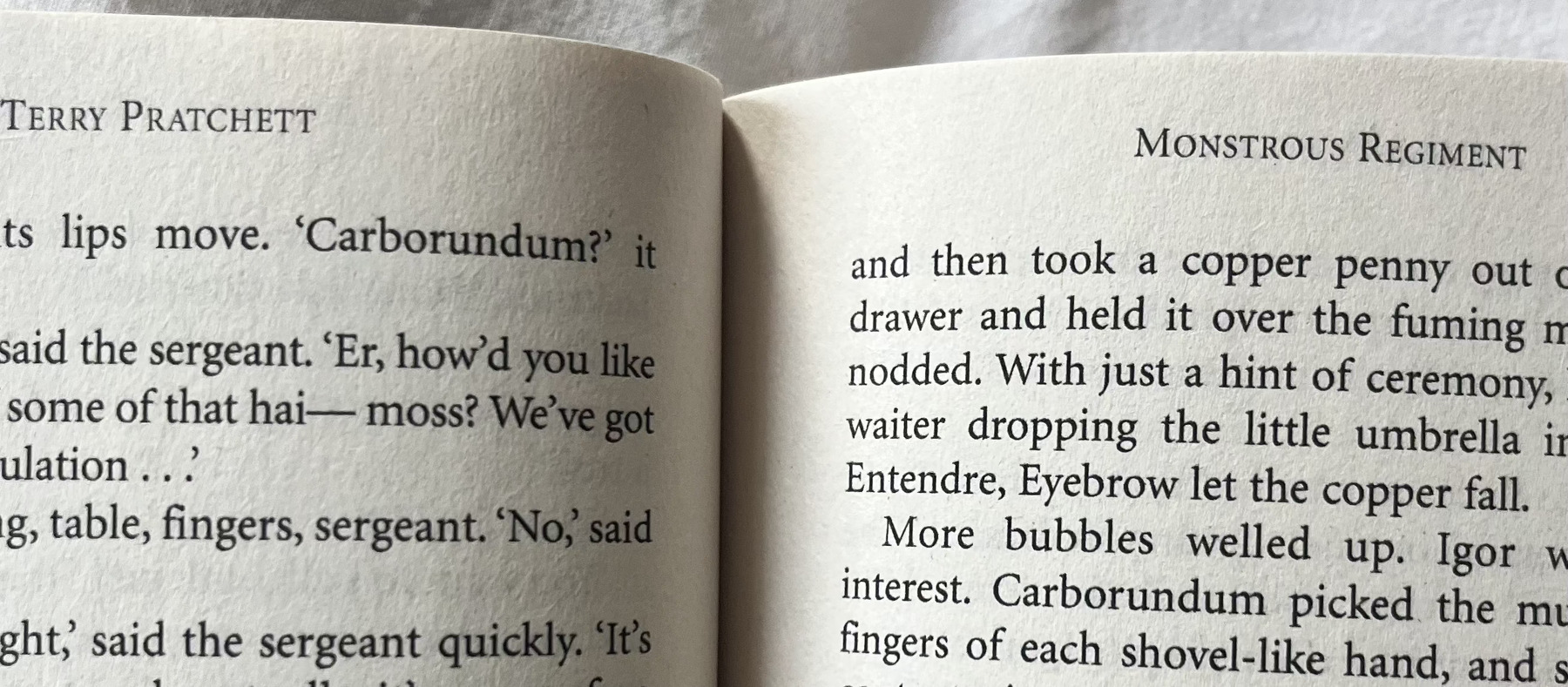
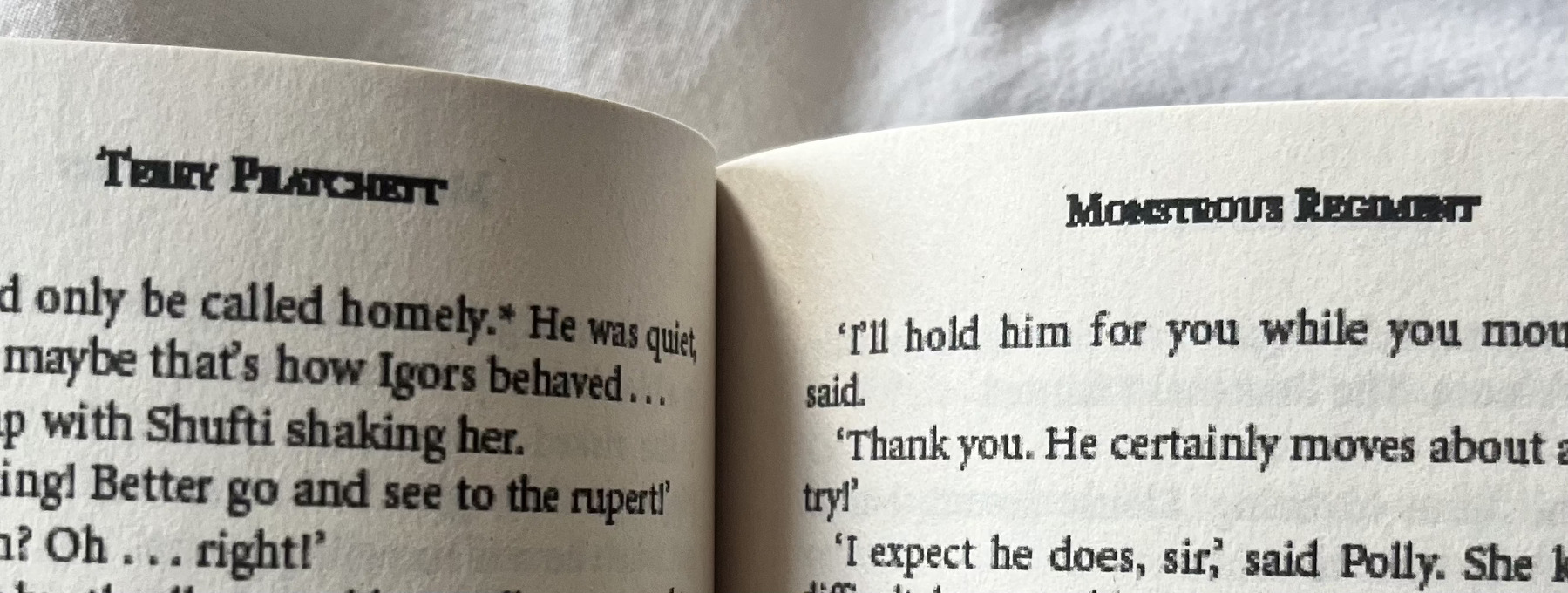
  • Highly unimpressed with the #penguin print of a Terry #pratchett book I just bought… halfway through the font changes to low-res! Amazing that something so basic can get past a quality check. @penguinbooksusa.bsky.social @rhi.bsky.social @terrypratchett.bsky.social

    detail of two pages showing readable printed font.The front cover of Penguin imprint of "Monstrous Regiment" by Terry Praatchett.detail of two pages with print degraded to about ten pixels in height. Bold words are almost unreadable.

    β†’ 8:12 PM, May 25
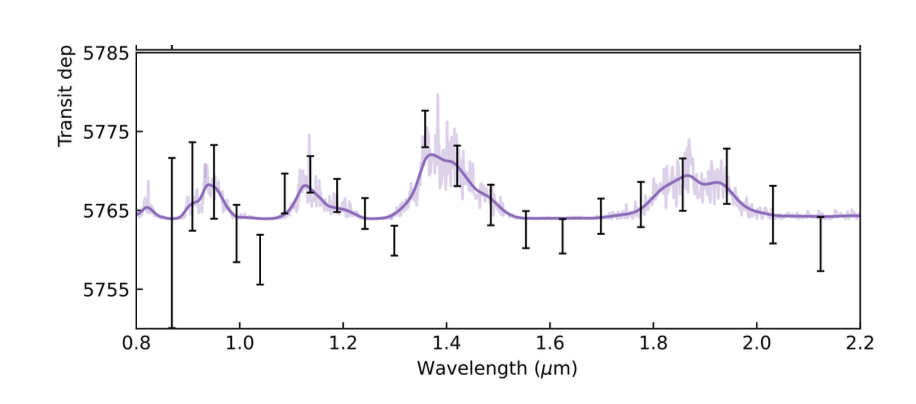
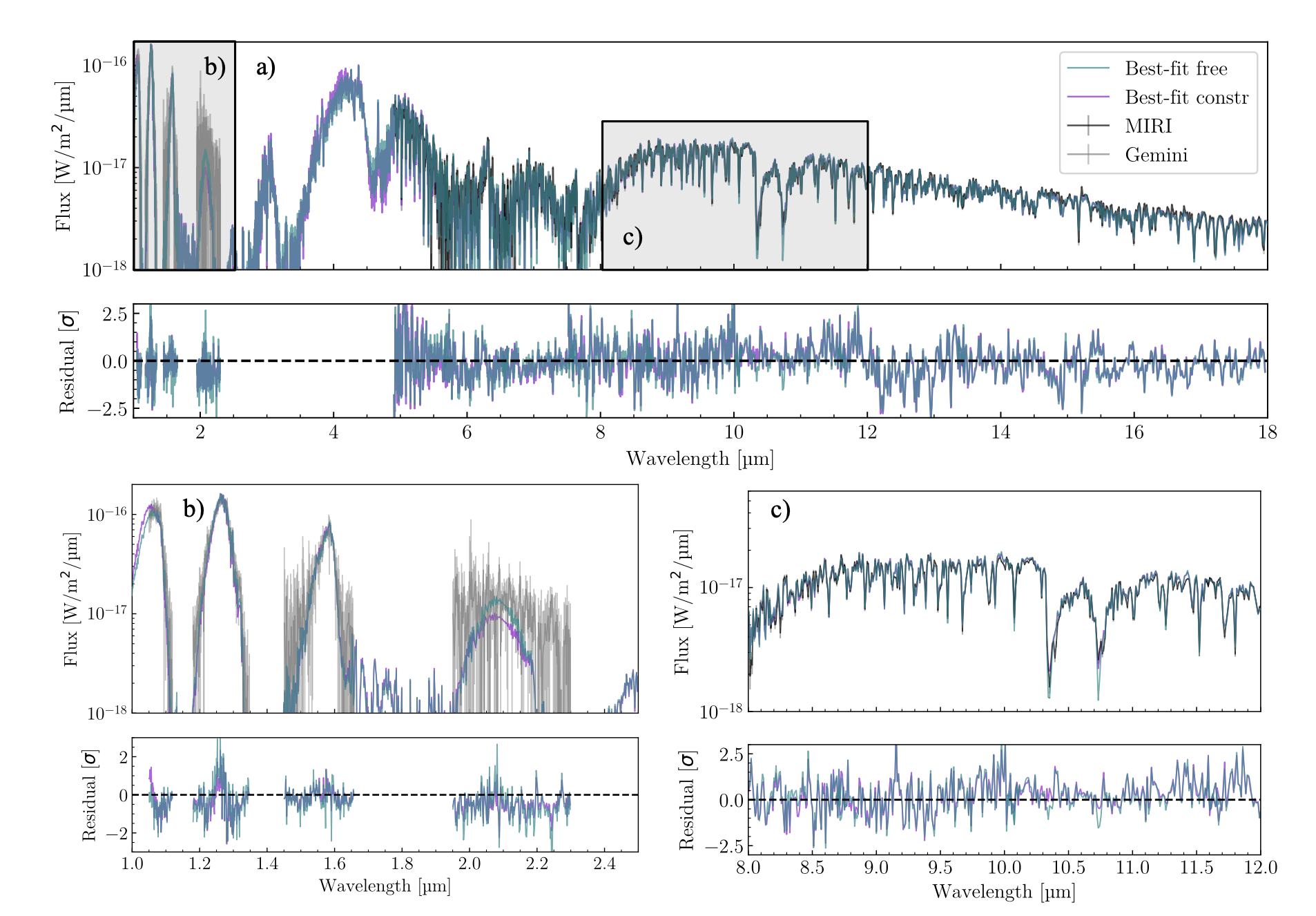
  • Pretty spectacular to see different isotopologues of water(!) in the spectra from KΓΌhnle et al. in Oxygen and nitrogen isotopologues on cold COCONUTS-2b observed with MIRI/MRS just amazing details zooming in on the spectra. All absorption lines full of information. #astrodon #exoplanets

    Spectra of COCONUTS-2b showing many deep and narrow absorption lines.
    β†’ 9:13 AM, Apr 30
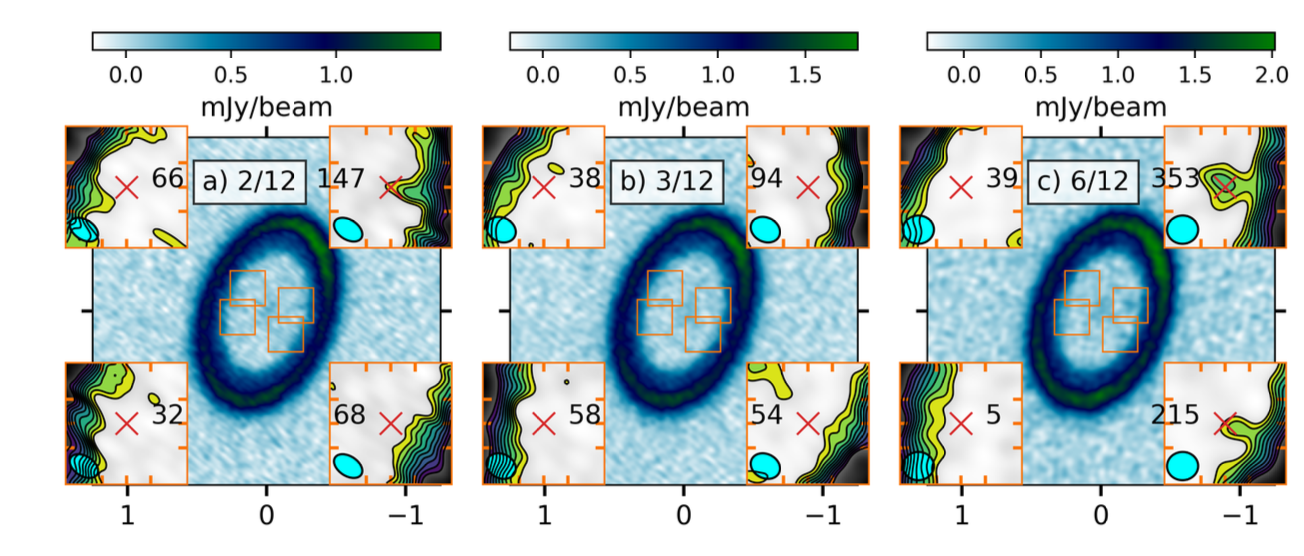
  • Casassus+ on Hourly radio variability of PDS70c from time-differential photometry using the ALMA array to see fluctuations around this exoplanet and circumplanetary disk. Very cool to see how quickly this flux can change! #astrodon #exoplanets

    Three panels showing the radio images of the PDS 70 system. Each panel has a tilted ellipse representing dust in the system, and a zoomed in box shows the location of the planet PDS70c. Radio flux is not present in the first two epochs, but is clearly detected in the third panel.
    β†’ 9:25 AM, Apr 29
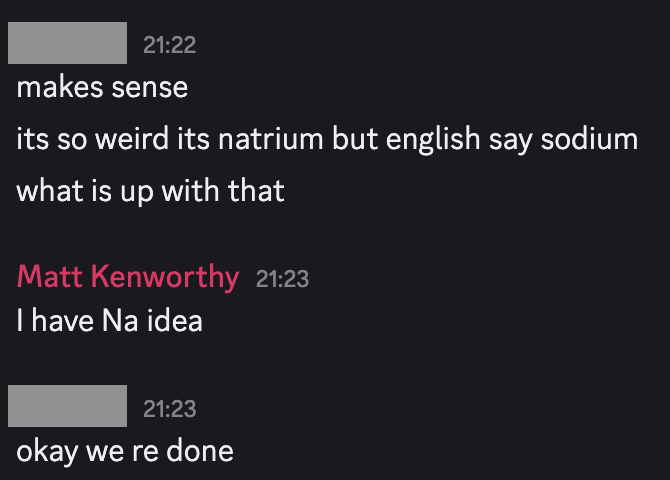
  • Just had this interaction with one of the Dutch students in my group.

    This may well be the pinnacle of my professional career.

    Discord messages: Dutch student says "it's so weird it's natrium but english say sodium. What is up with that?" I respond with "I have Na idea". The student responds with "okay we're done"
    β†’ 9:48 PM, Apr 24
  • My all-time favourite method of debugging is going to bed and looking at it again the next morning.

    β†’ 6:55 AM, Apr 24
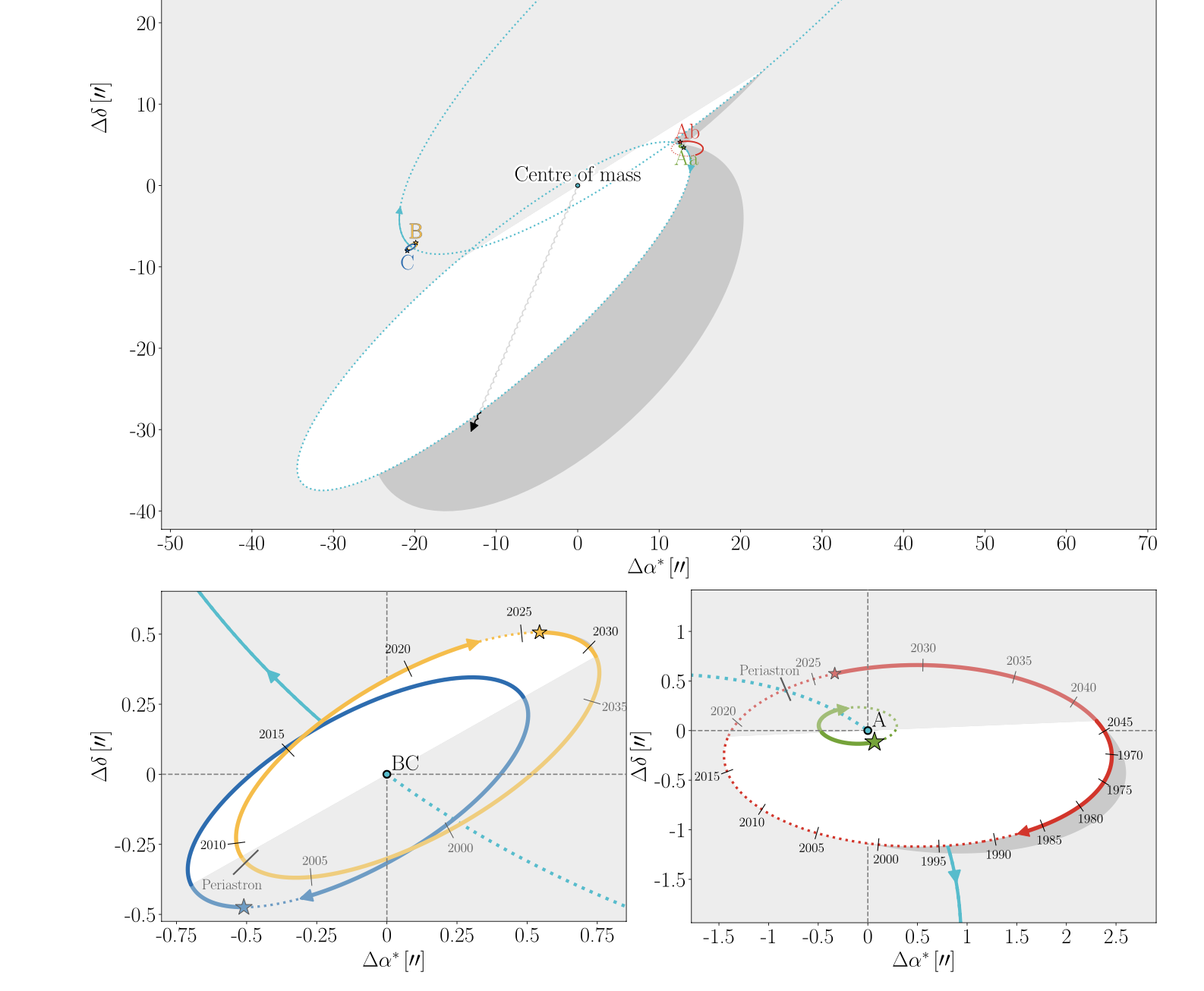
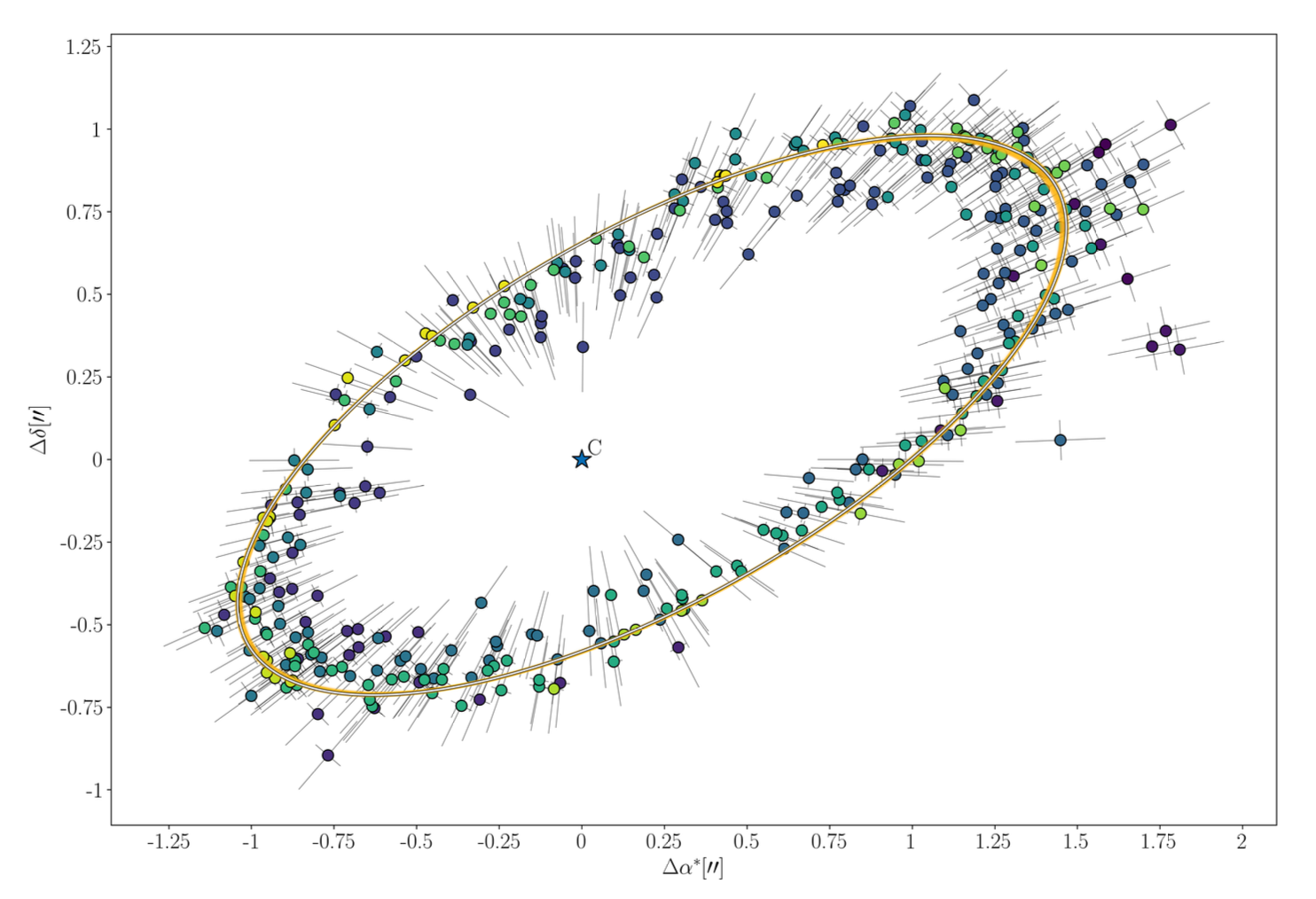
  • Marcussen+ solve a complex multiple stellar system in a very elegant paper: “The Β΅ Herculis system solved after nearly three centuries”. It’s rare that the figures in a paper make me stop and say “Wow!” and I tip my hat to the authors for genuinely beautiful diagrams. Go take a look! #astrodon πŸ”­β˜„

    Three panels of the multiple stellar system mu Her. The top panel shows the widest view with ellipses showing the orbits of the stellar components. The projected ellipses are shown as 'shadows' cast onto the sky plane, and different components are coloured differently making a clean interpretation of the whole system.Astrometric projection onto one of the ellipses. It looks like a giant olive pierced by about one hundred short cocktail sticks.

    β†’ 10:28 AM, Apr 15
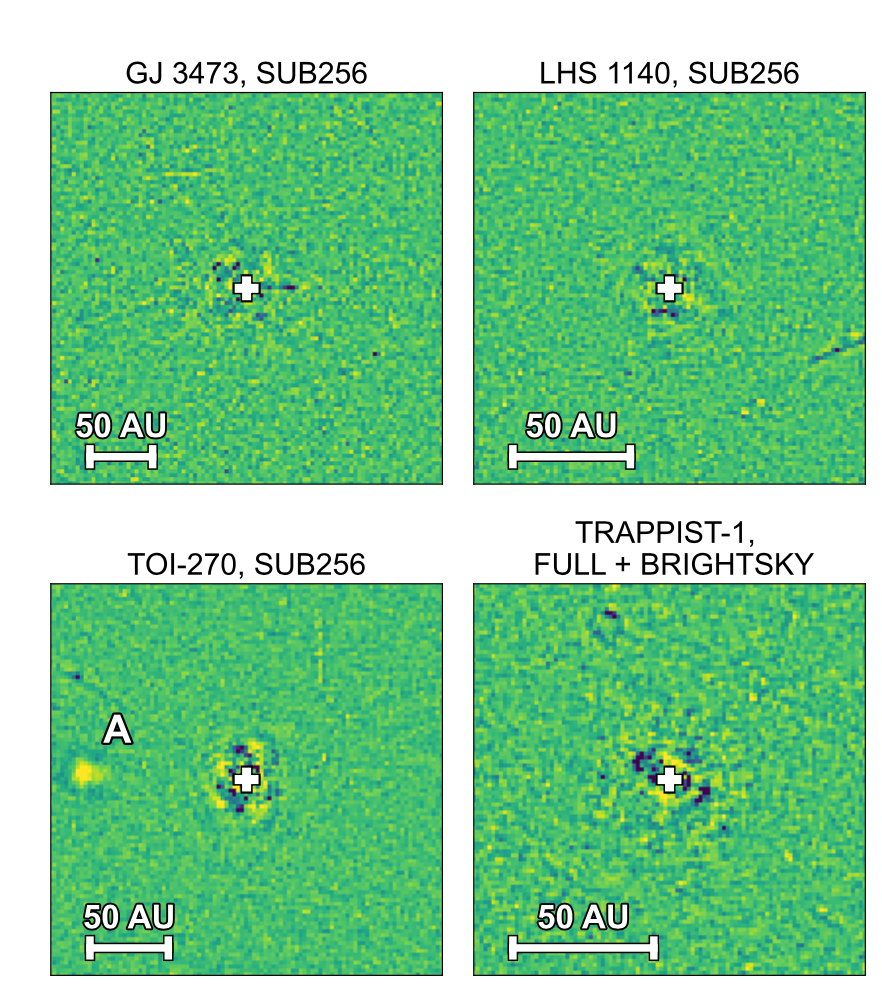
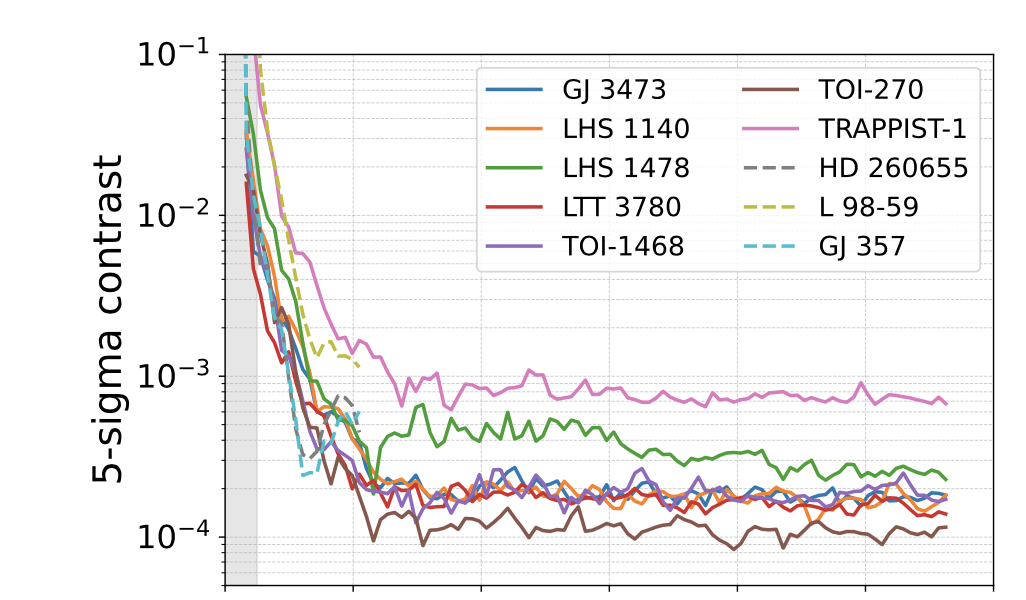
  • Li+ on “A Search for Wide-orbit Planets Around M-dwarfs using Deep MIRI 15 micron Images” shows how the background sensitivity of JWST enables searches down to a few Jupiter masses for targets that are typically several gigayears old. #exoplanets #astrodon

    Images of M stars and their surrounding environment. In one of the four panels, a candidate source is seen to the left of the main star.Contrast curves for the M dwarf stars looked at, showing contrasts from 1e-3 down the majority of them at 1e-4.

    β†’ 9:52 AM, Apr 10
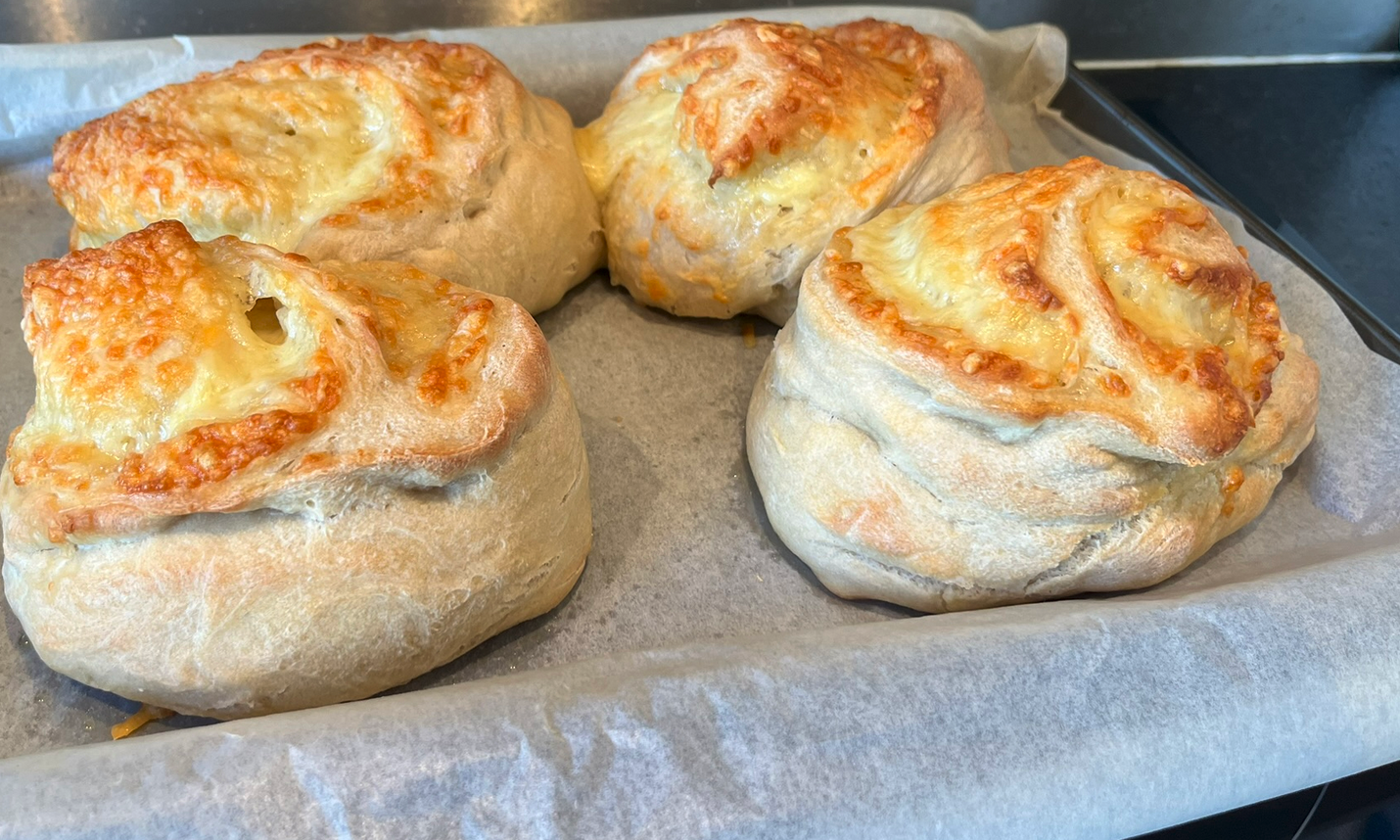
  • GruyΓ¨re stuffed cheesy bread for Easter Sunday brunch #OmNomNom

    Four small loaves of white bread with partially toasted gruyère cheese oozing out of the top of them.
    β†’ 12:46 PM, Apr 6
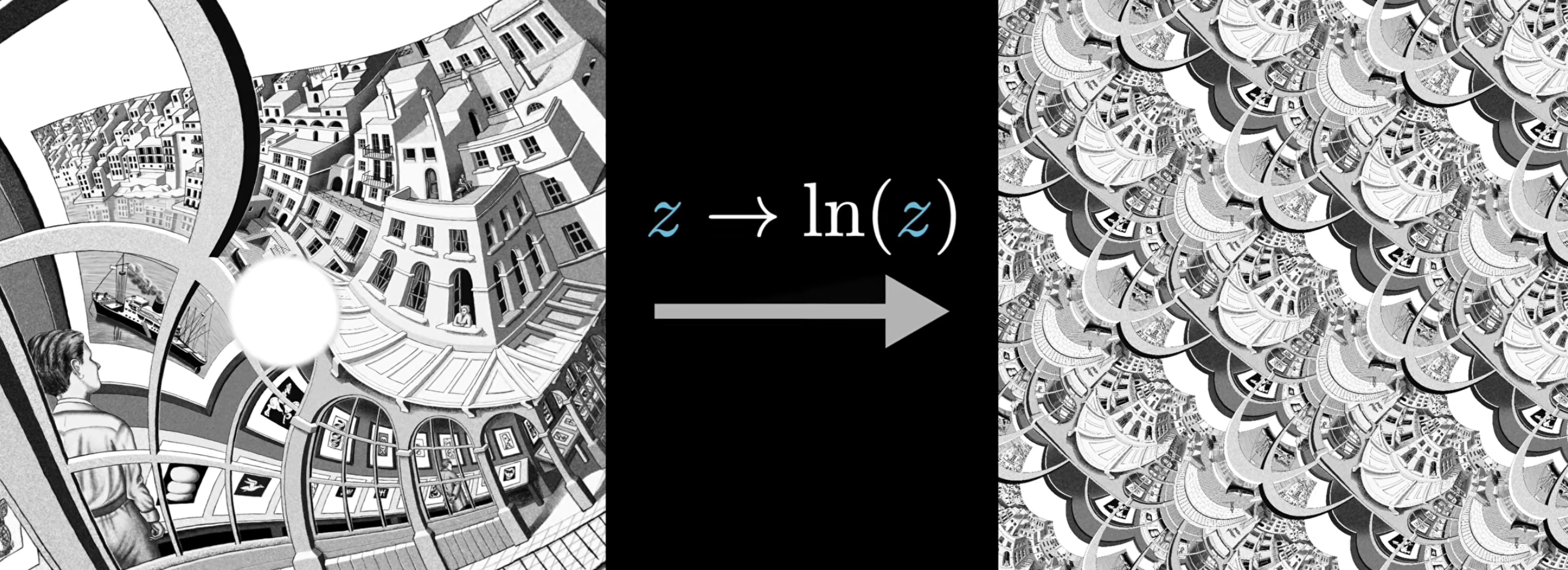
  • If you haven’t seen 3Blue1Brown videos yet, you are missing out! His latest one is on M.C. Escher’s picture frame distortion is absolutely breathtaking, using visuals to introduce complex analysis in what feels a very intuitive way. All his videos are excellent and well worth a browse.

    M.C. Escher's The Picture Gallery shows a highly distorted image of a continuously zoomed image, and the conformal mapping to a plane with infinitely tiled copied of this distorted image.
    β†’ 9:47 AM, Mar 26
  • Delighted to see our WISPIT team announce the second directly imaged exoplanet from the WISPIT 2 system! Led by Chloe Lawlor (Galway) with Richelle van Capelleveen (Leiden), we also have a spectrum of the inner, more massive planet, showing carbon monoxide features. β˜„ #exoplanet #astrodon

    Composite showing two red dots, representing the exoplanets WISPIT 2b and 2c, embedded in the white ellipses of scattered light.
    β†’ 9:25 PM, Mar 24
  • I really love the new YouTube “you’re not a bot” sign in page, because when I click to watch a video this dialog pops up and I ask myself “Do I really need to watch this video?” and the answer is almost always “No I don’t” and I go do something more productive/useful instead. #lifehack

    The answer is "No, go do something else instead"
    β†’ 12:01 PM, Feb 27
  • Huh. Weird. My Visles keyboard and/or Mac OSX decided to spontaneously swap the Option and Command keys on me. This led to a few puzzling minutes wondering if my keyboard had broken…

    β†’ 9:24 AM, Feb 26
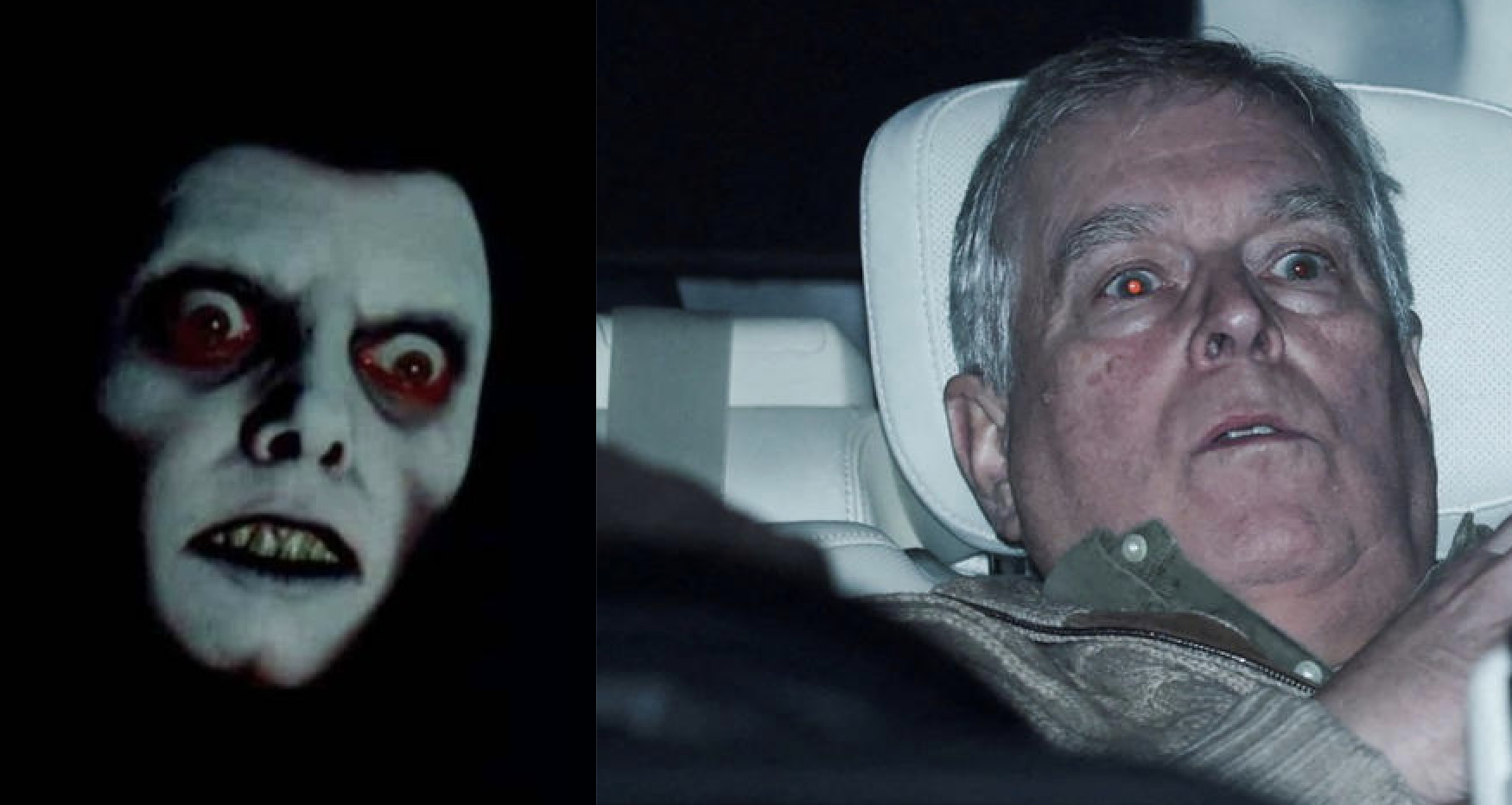
  • It’s taken me a couple of days to work out where I’ve seen that look before, then as I was watching “The Exorcist” the answer came to me in a flash….

    Andrew Mountbatten-Windsor sitting in a reclined seat of a car being driven out of a police station, and the demon Pazuzu as seen in the film "The Exorcist"
    β†’ 11:13 AM, Feb 22
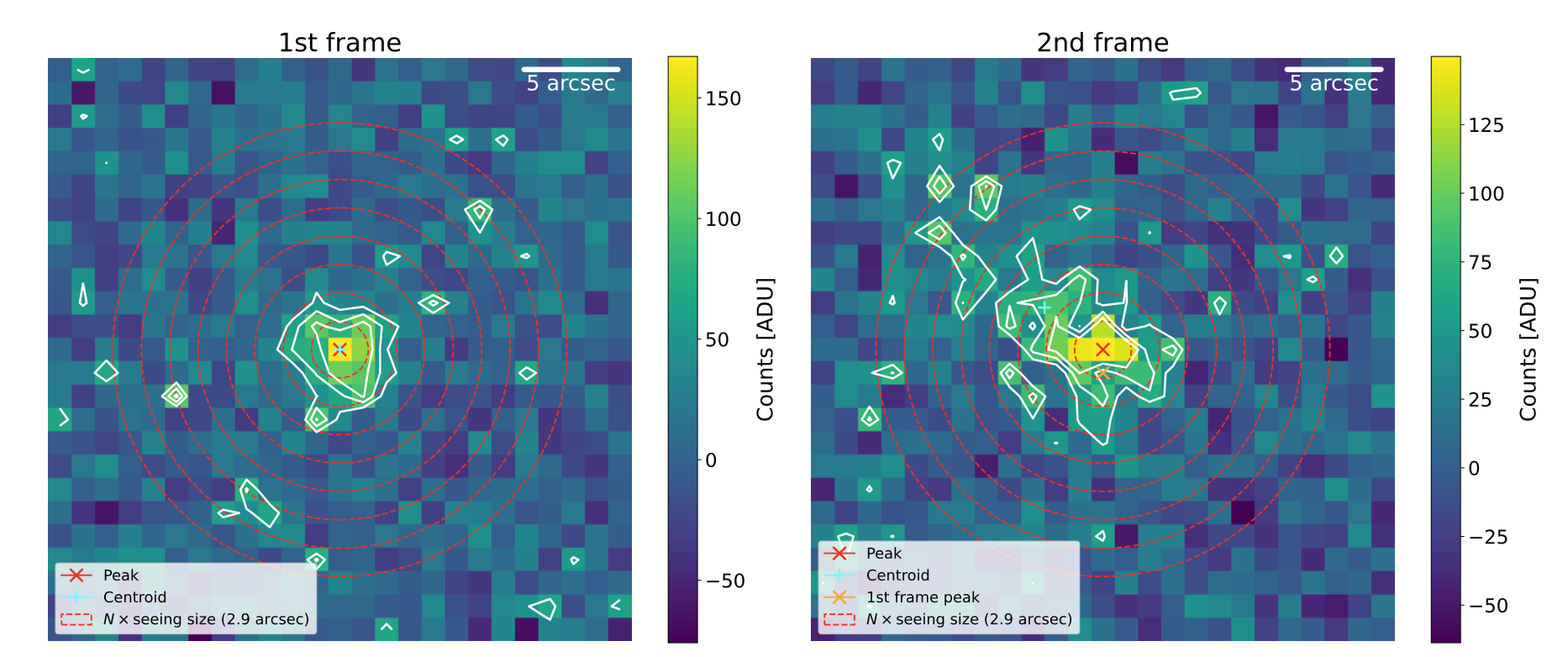
  • “Don’t blink. Don’t even blink”: Arima+ on “An optical transient candidate of ≲ 2-second duration captured by wide-field video observations” where they look up into the Earth’s shadow to capture these very fleeting events. I’m not sure of their interpretation, but it’s fascinating. #astrodon β˜„

    Two images of a point source representing the transient event. The first image is circular, the second one is not circular, suggesting it may be quite close to the Earth.
    β†’ 8:10 AM, Feb 13
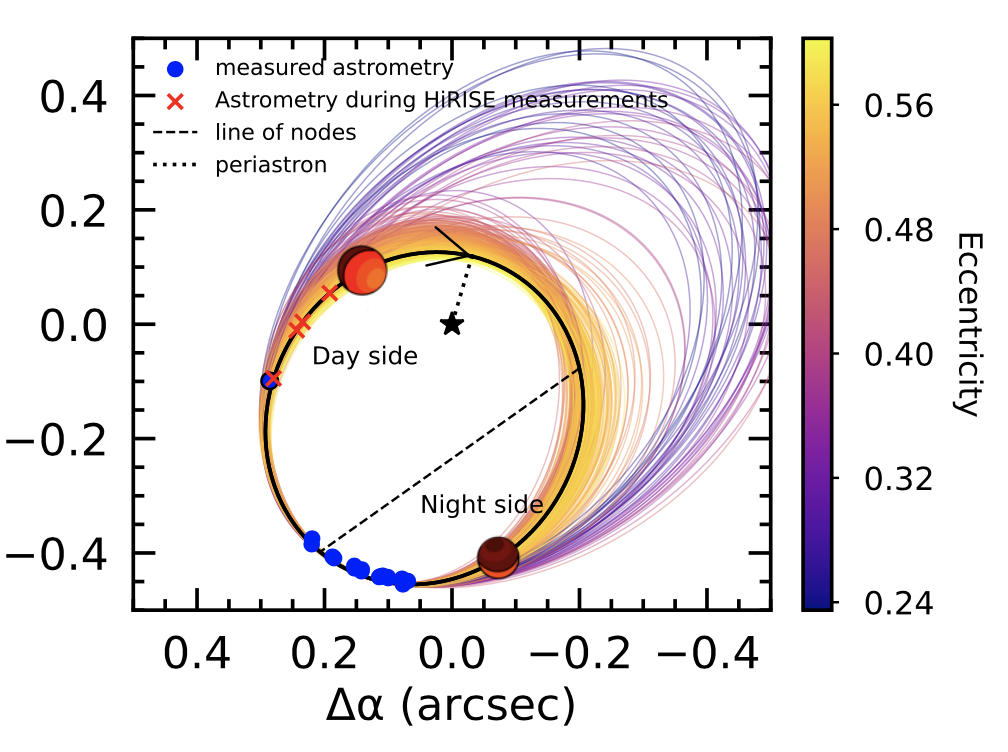
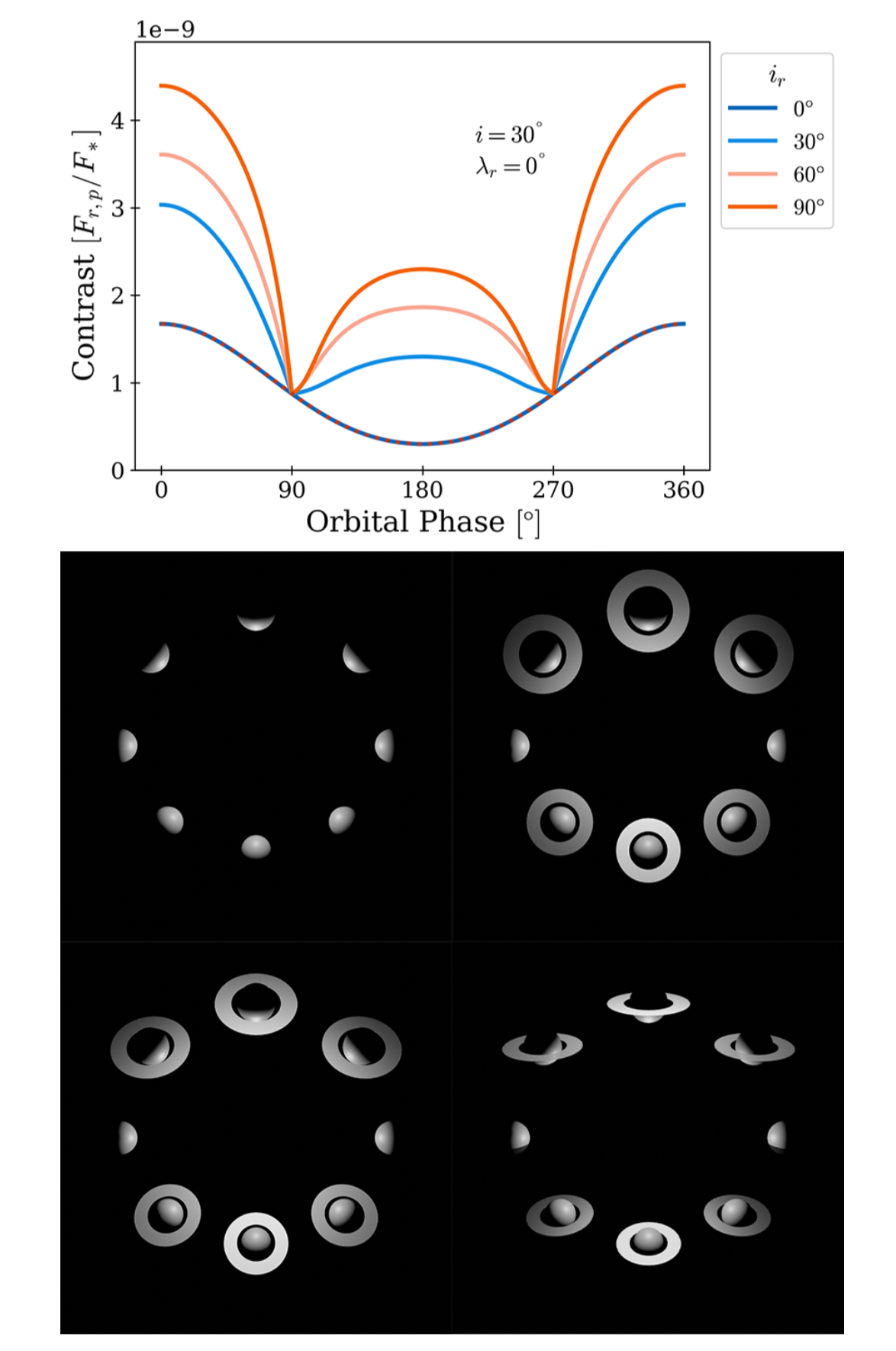
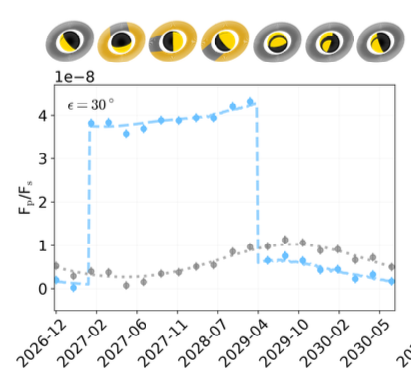
  • Oh now this is VERY cool! Denis+ on “Cold and eccentric: a high-spectral resolution view of 51 Eri b with VLT/HiRISE” where radial velocity measurements of the exoplanet enable a determination of the 3D orbit, and therefore you can calculate the PHASE as seen by Earth! #astrodon #exoplanet β˜„

    Possible orbits for the exoplanet 51 Eri b drawn around the star, along with the planet at two locations in its orbit showing a dayside illuminated disk and a nightside disk.
    β†’ 5:44 AM, Feb 12
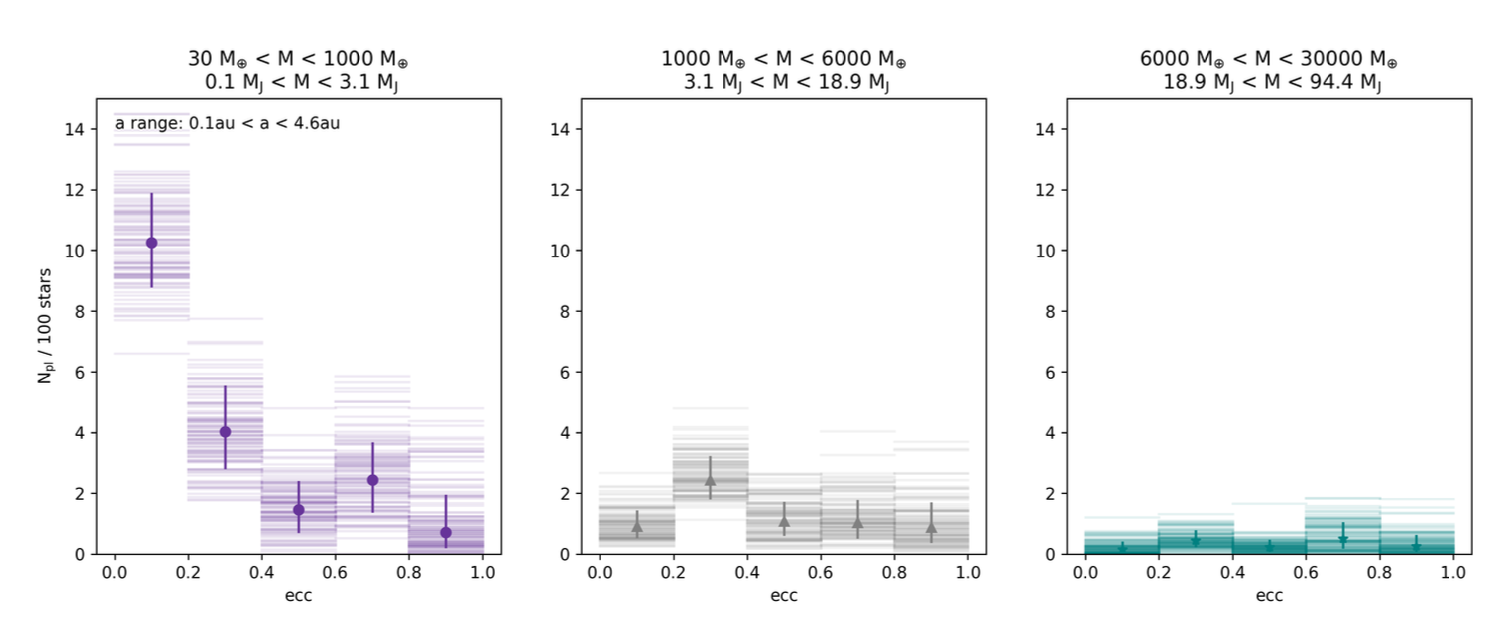
  • Very interesting paper by Blunt+ on “Evidence for a Peak at ~0.3 in the Eccentricity Distribution of Typical Super-Jovian Exoplanets” showing this e for planets between 0.1 and 4.5 au. Giant impacts, scattering with super-Jovians? #exoplanets #astrodon #astrosci @blunt-comma-s.bsky.social

    Three histograms showing the eccentricity versus count of planets for three mass ranges. Smaller Jovians have a decay from e=0.0, brown dwarfs have a flat eccentricity distribution, and the super-Jovians have a distinct peak at e of around 0.3
    β†’ 9:42 AM, Jan 28
  • RSS
  • JSON Feed
  • Micro.blog